
On the road again
Texas twilights, pumpjacks, train whistles, and tumbleweed

I wasn’t planning on taking any adventures in my last few weeks in the US, but there we were crossing the endless plains of west Texas, mostly me riding shotgun, my daughter driving. We drove four days, 1,813 miles, from Austin to Farmington, New Mexico and back again.
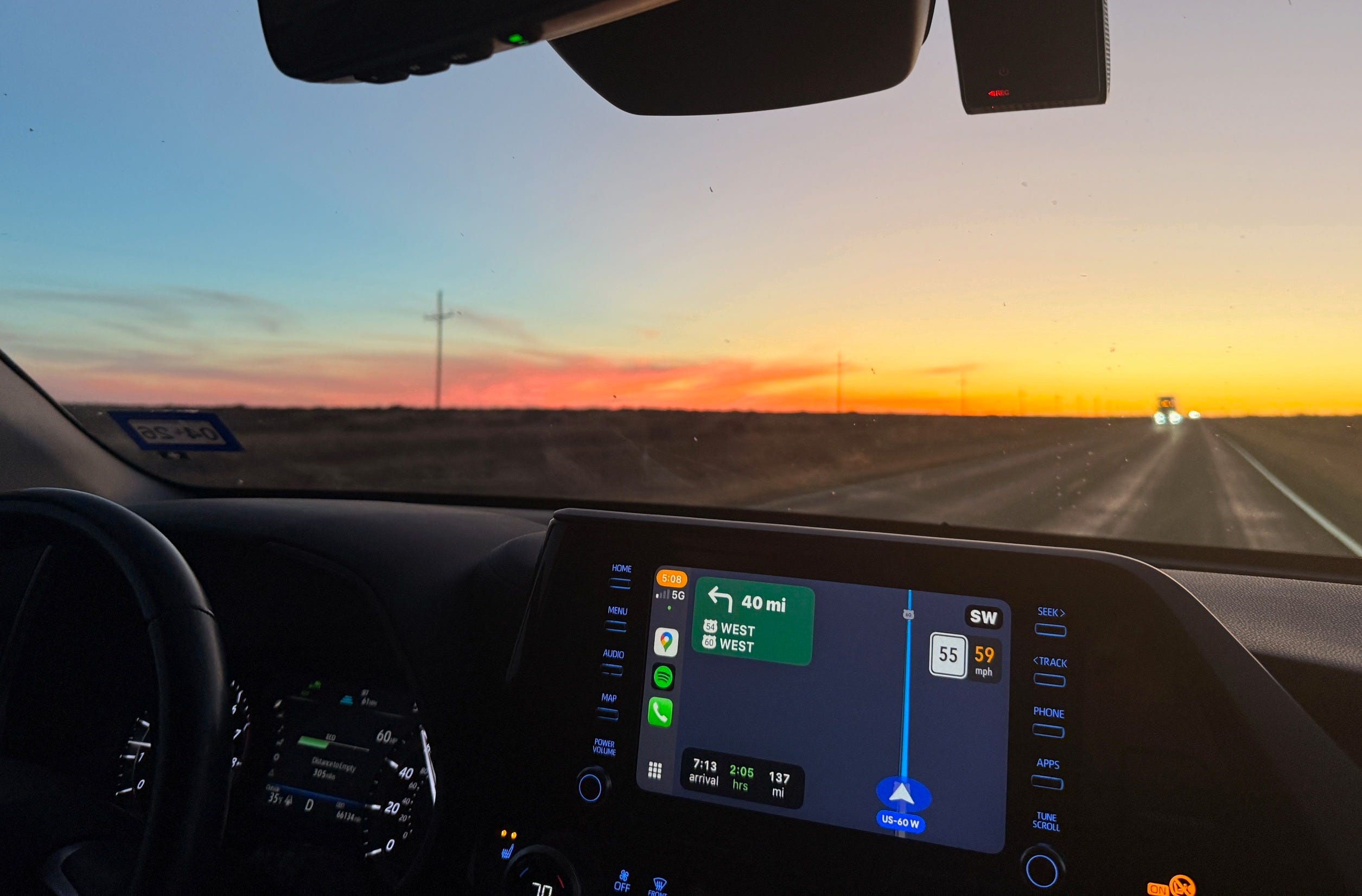
Last week, my intrepid daughter was on her way home with a friend from a road trip out west when her car died about an hour outside Farmington. They left the car there and rented a car to drive home in time for Thanksgiving. The Prius’ hybrid battery had died—again—and because it was under warranty, we needed to bring it home.
I think I’ve driven west across Texas about a dozen times, usually on my way to LA or to the Rocky Mountains of Colorado. Traveling northwest, it takes about 8 hours to cross the border to New Mexico, and there’s not much between here and there. Cell service drops for long stretches, so you’ve got to download whatever you’re listening to. I realized as I was adding my photos to this story that I drove across all of Texas before I felt the need to take a photo.
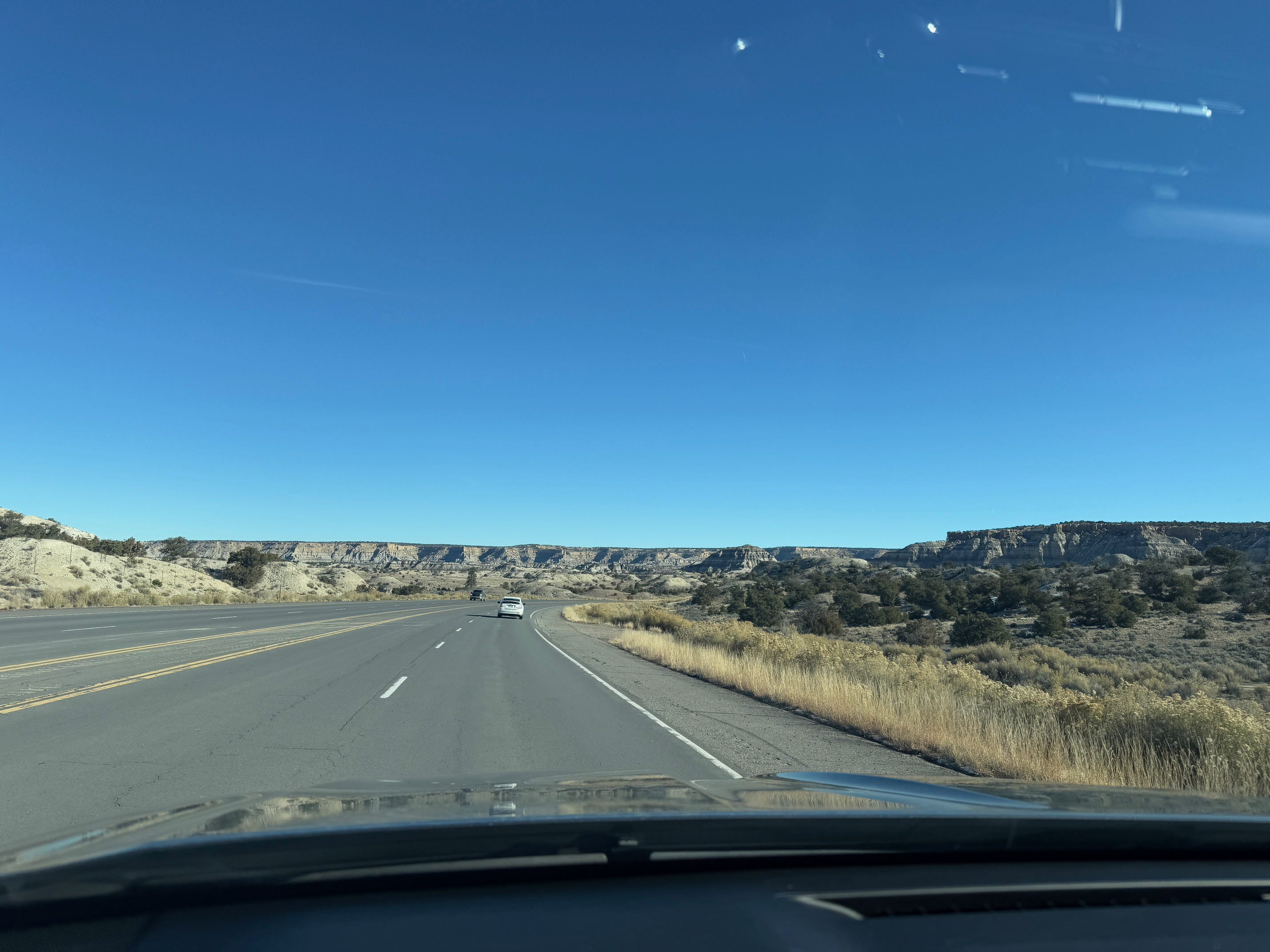
The sky goes on forever, and twilight seems to last for hours. Stunted juniper trees dot the rugged landscape where cattle graze on the rolling hills. Most of the agriculture land we saw was growing cotton, a portion of the five million acres grown in Texas—more than any other US state. It totals about half of all the US cotton production.
And because we passed right through the middle of the Permian Basin, we saw hundreds of pumpjacks, the bobbing machines that pump oil to the surface. The Permian Basin produces 40 percent of all US oil and nearly 15 percent of its natural gas. You can smell it as you drive past, in case you needed some confirmation.
It is also, perhaps ironically, home to hundreds of wind turbines. The Sweetwater Wind Farm alone has 392 turbines, scattered like daisies across the plains. While the MAGAs tend to hurl epithets at the wind turbines and blame them for causing cancer or killing birds and whales, the fact is that the wind turbines have continued to contribute significantly to Texas’ power production—28.6% of total capacity in 2023.
One of the many crazy things about Texas is that it’s in the only state that has its own power grid. The rest of the power grid in the continental US is connected so that if one region or one state suffers a deficit or a blackout, the grid will share resources and prevent a disaster.
There’s a fascinating podcast about the winter storm of 2021 that shut down the state and brought us within four minutes and 37 seconds of total grid failure. Imagine what that would have meant. It takes months to bring an electric grid back online, and in the meantime, EVERYTHING would have ground to a halt. Zombies would likely have taken over. I’m pretty sure I would not have survived because I don’t own a gun.
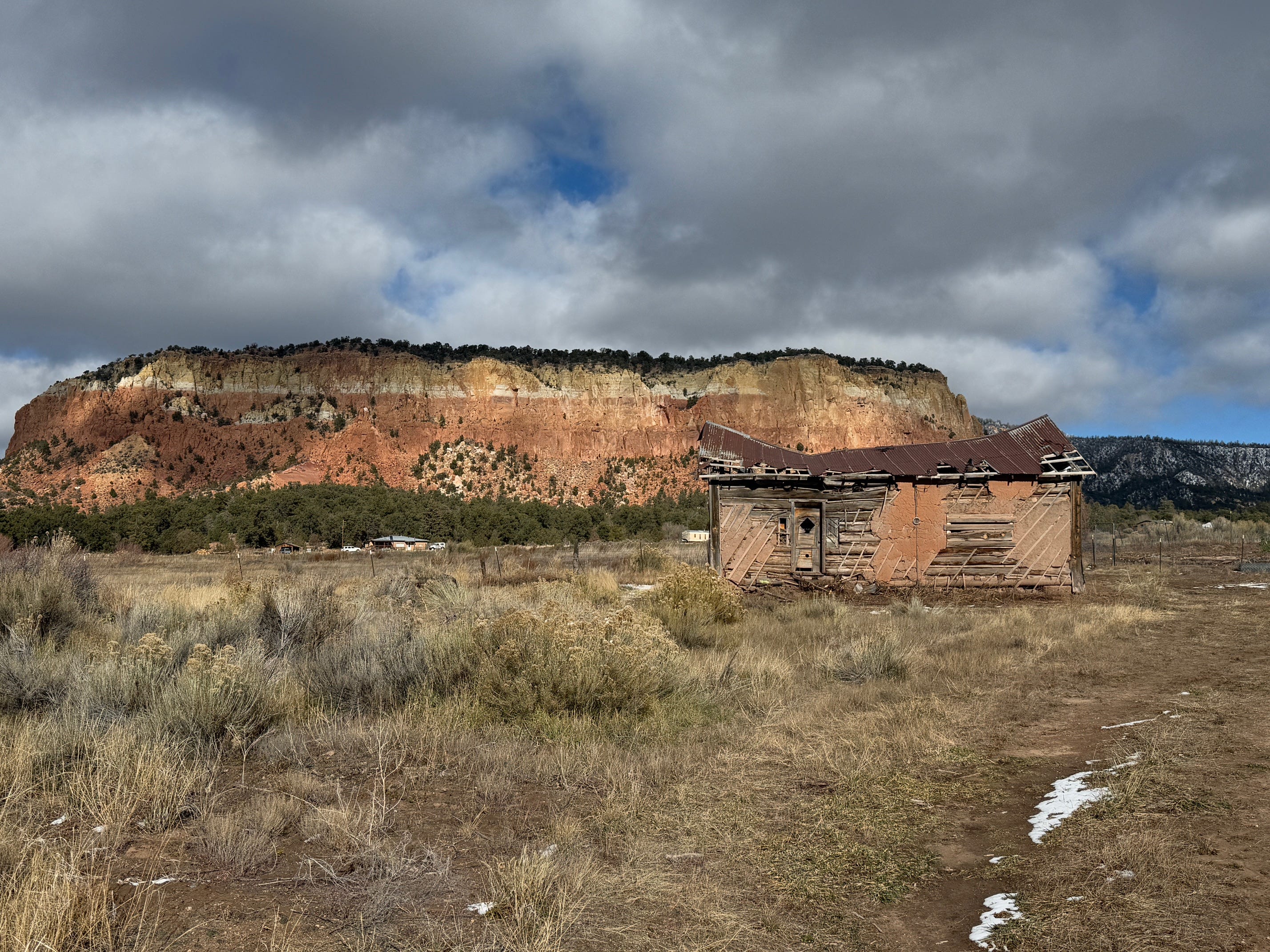
While it’s excruciatingly boring to drive across, west Texas is an intriguing place. A significant portion of its buildings are either decaying or collapsed—some of them apparently abandoned with curtains blowing out of broken windows and rusted cars in front. As you approach a small town, massive silos stand watch, but some of those are abandoned, too. There are storefronts for taxidermy, farm equipment, and hair dressers. Taquerias, barbeque joints, and Allsop’s convenience stores.
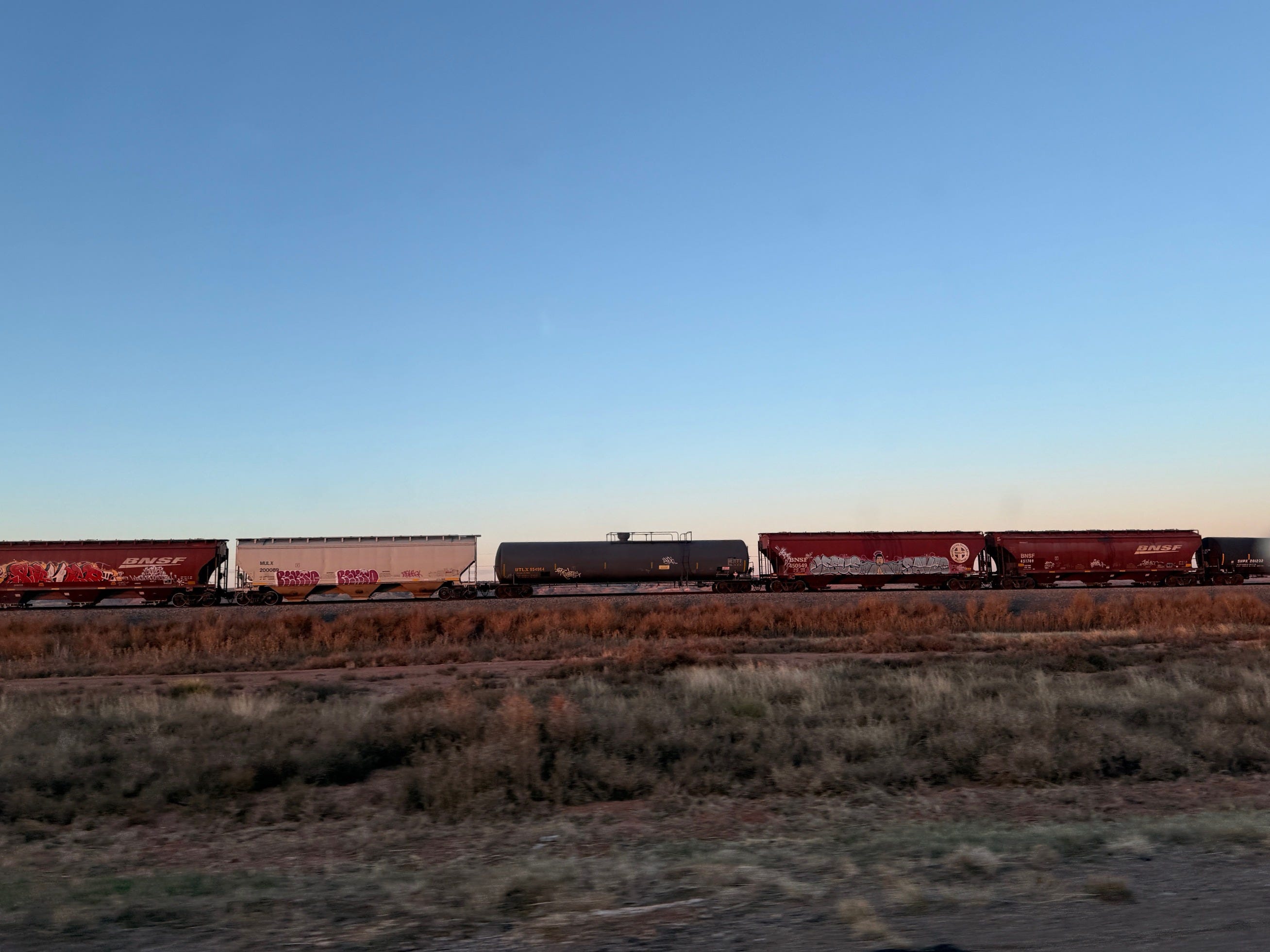
Train tracks run parallel to the road, so you often find yourself outrunning a long, winding freight train or listening to a far-away whistle or the clang clang clang of a crossing. There was a shocking amount of roadkill. There is actual tumbleweed dancing and bouncing down the road and puffy white cotton clinging to the weeds at the edges because it’s harvest time. Note—tumbleweed is actually Russian thistle, Salsola tragus, and an invasive species introduced in the late 1800s.
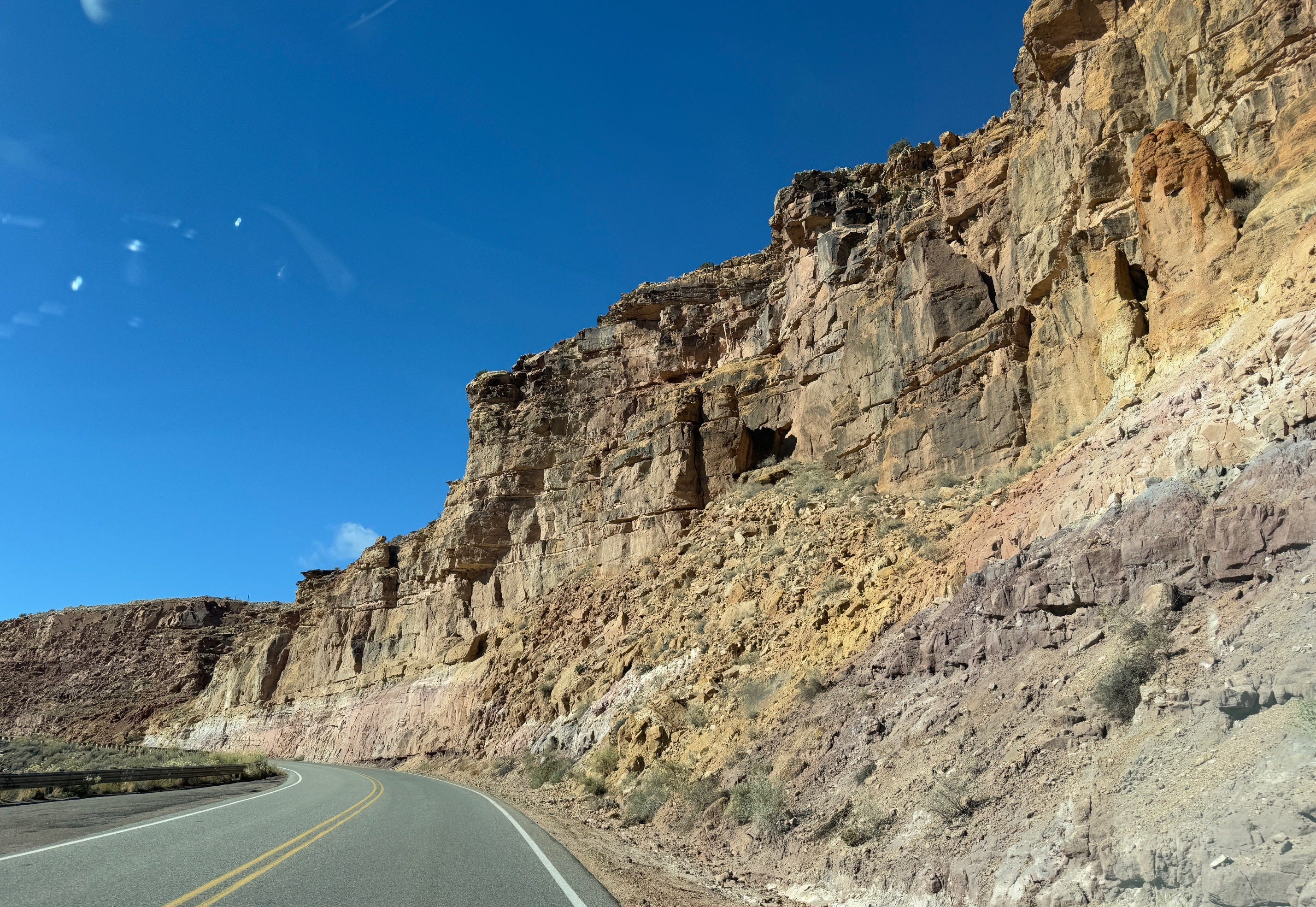
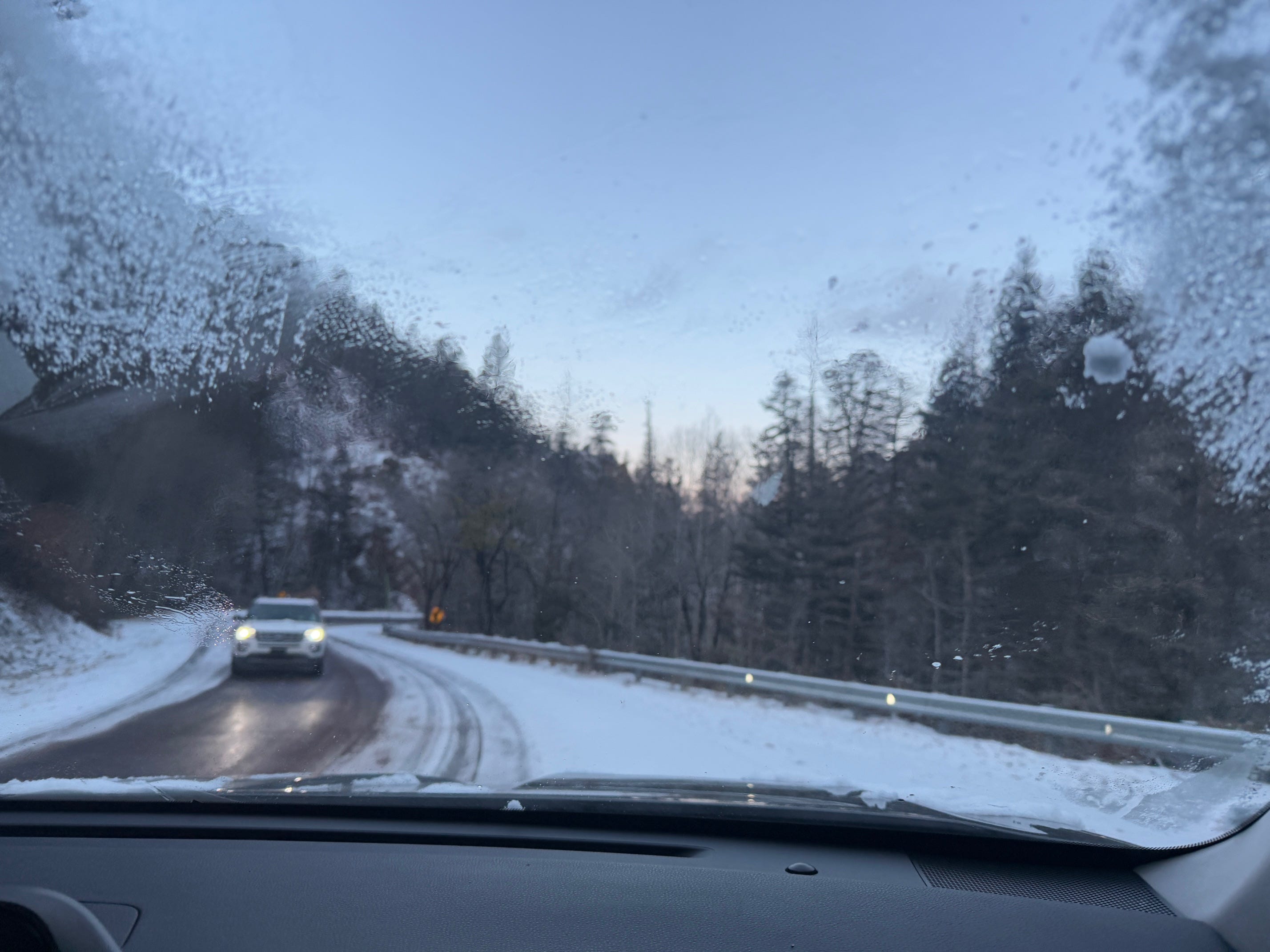
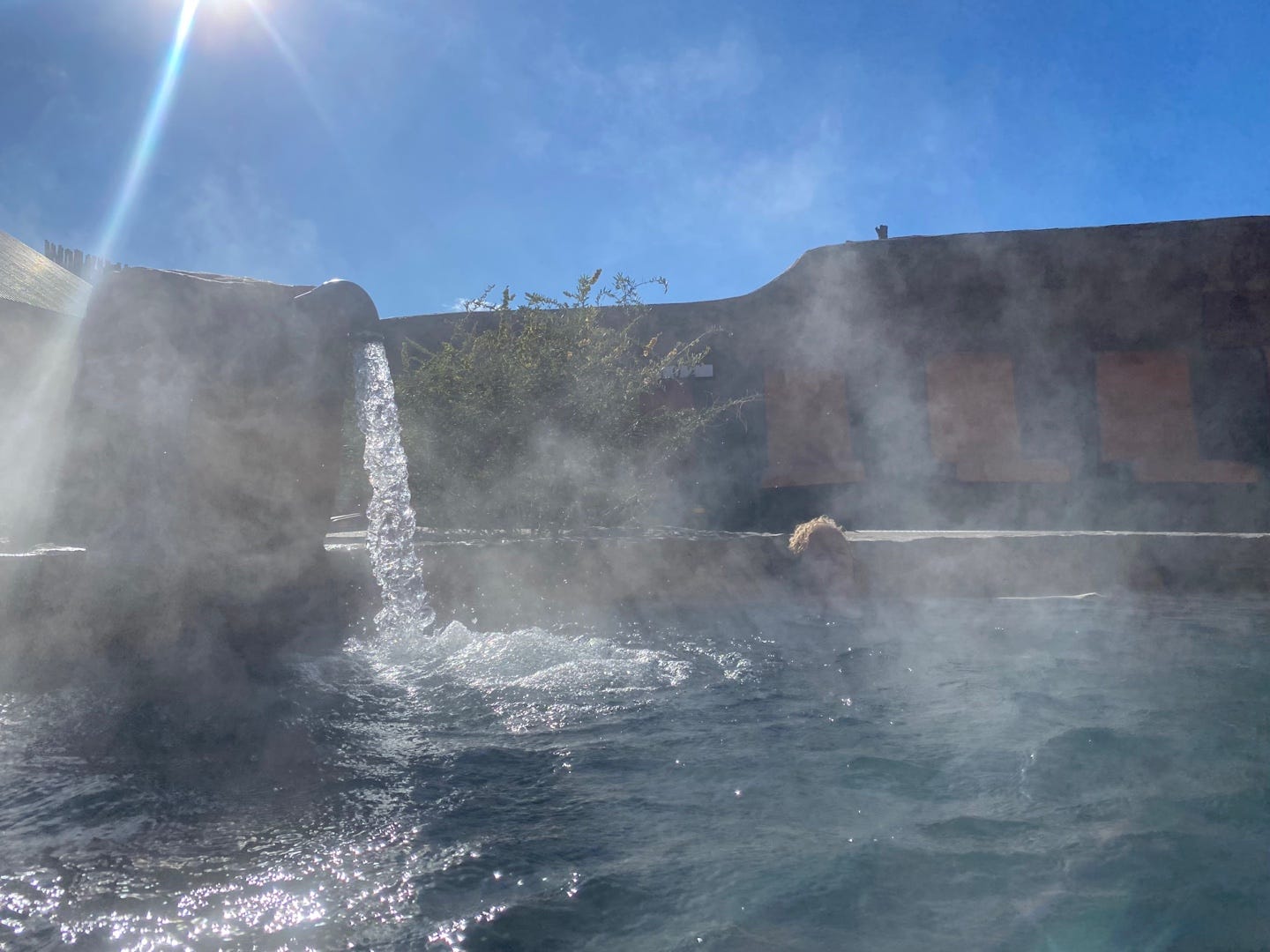
In New Mexico, on our second day we treated ourselves to a stop at Ojo Caliente Mineral Springs, which were a little pricey but we “earned” it by sleeping in the car the night before. The temperature dropped to about 25 that night and we awoke to a blanket of snow. A lovely surprise!
Other than that, it was pretty much pedal to the metal as we flew west at 80+ miles per hour, talking, listening to podcasts, and singing our road trip faves like Rocky Mountain High and the soundtrack of Les Miserables. The way home felt about as fast as my bike trip since the trailer restricted us to 55mph. We were pulling the Prius on a tow dolly, which banged and bumped along behind us. On the two-lane stretches of road, I’m sure we annoyed more than a few truck drivers who hovered at our tail before gunning past us when the road was clear.
I’m happy to be out of the car, but I’m glad I had one more road trip before I leave the US. What a contrast to the landscape of western Europe, where a 14-hour drive will take you across several countries, languages, and landscapes. I was more aware of the pervasive decay of the impoverished communities in Texas than I had been in the past. It seemed melancholy and stagnant, as if the rest of the world was only a dream or a YouTube conspiracy theory. No wonder this area of middle America feels forgotten.
The best part, by far, was spending about 100 hours side by side with my fabulous youngest child. We’ve taken a lot of road trips together, and every one has been awesome. One of my life’s greatest accomplishments has been giving birth to this adventurous travel companion and all-around good person.
I usually make that trip 2-3 times a year, heading to southern Colorado for solo retreat. You're spot on in your descriptions, both the positives and negatives. I'm always shocked, and saddened, by the huge green fields irrigated with the remaining groundwater, and trying to imagine growing up in these desolate small towns. Looking forward to more tales from Europe, my friend!
I’m so glad I know how accurate your description is of your youngest. Especially enjoyed reading about the singing and driving. My idea of fun.