
Telling stories that save us
when the world is too much

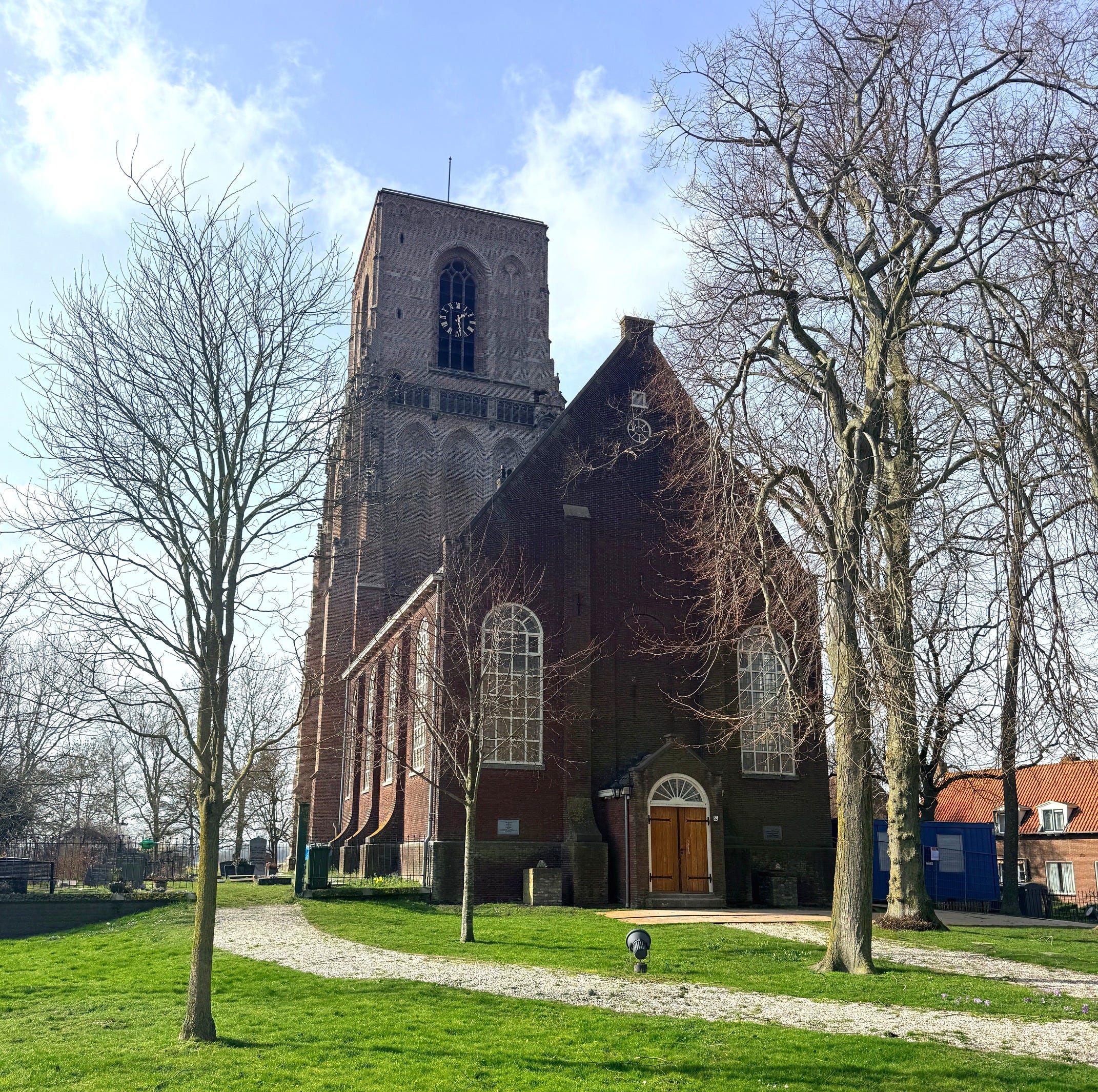
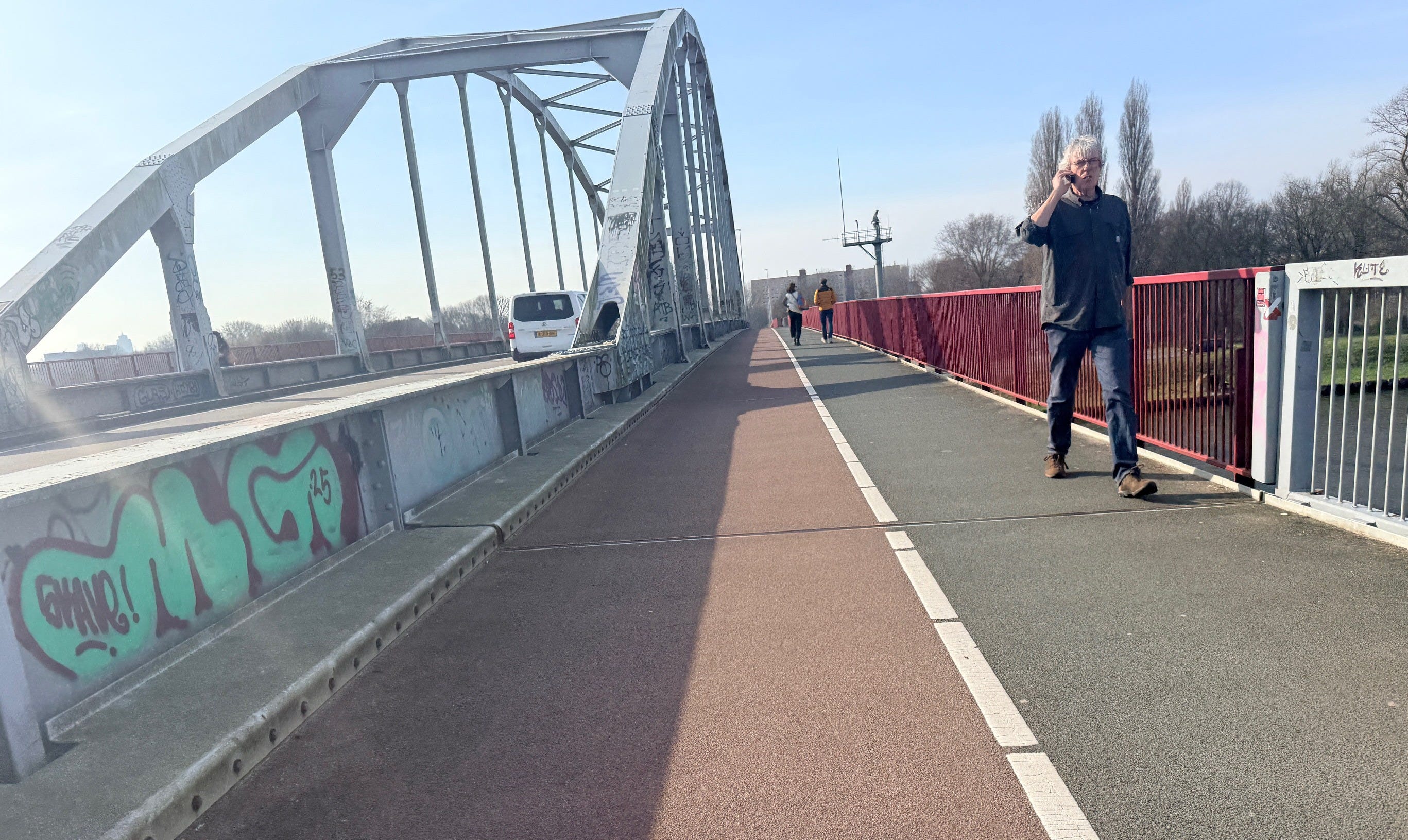
I was going to write a story about my first Netherlands bike ride last week, and how the gray city streets unwound into green fields as I traveled north among tidy homesteads, village churches, an assortment of bridges, and signposted cycle paths. Listening to the Cube Bosch motor churning under me, testing the speeds, and watching the familiar blue line on the Flow navigation felt really good. The sun was bright and for the first time, my face was not frozen.
But this morning I read that my nation has bombed Iran. (I have the luxury of reading about it, rather than hearing it, seeing it, feeling it.) What is this pain I feel? Shame, shock, horror, fear, sadness?
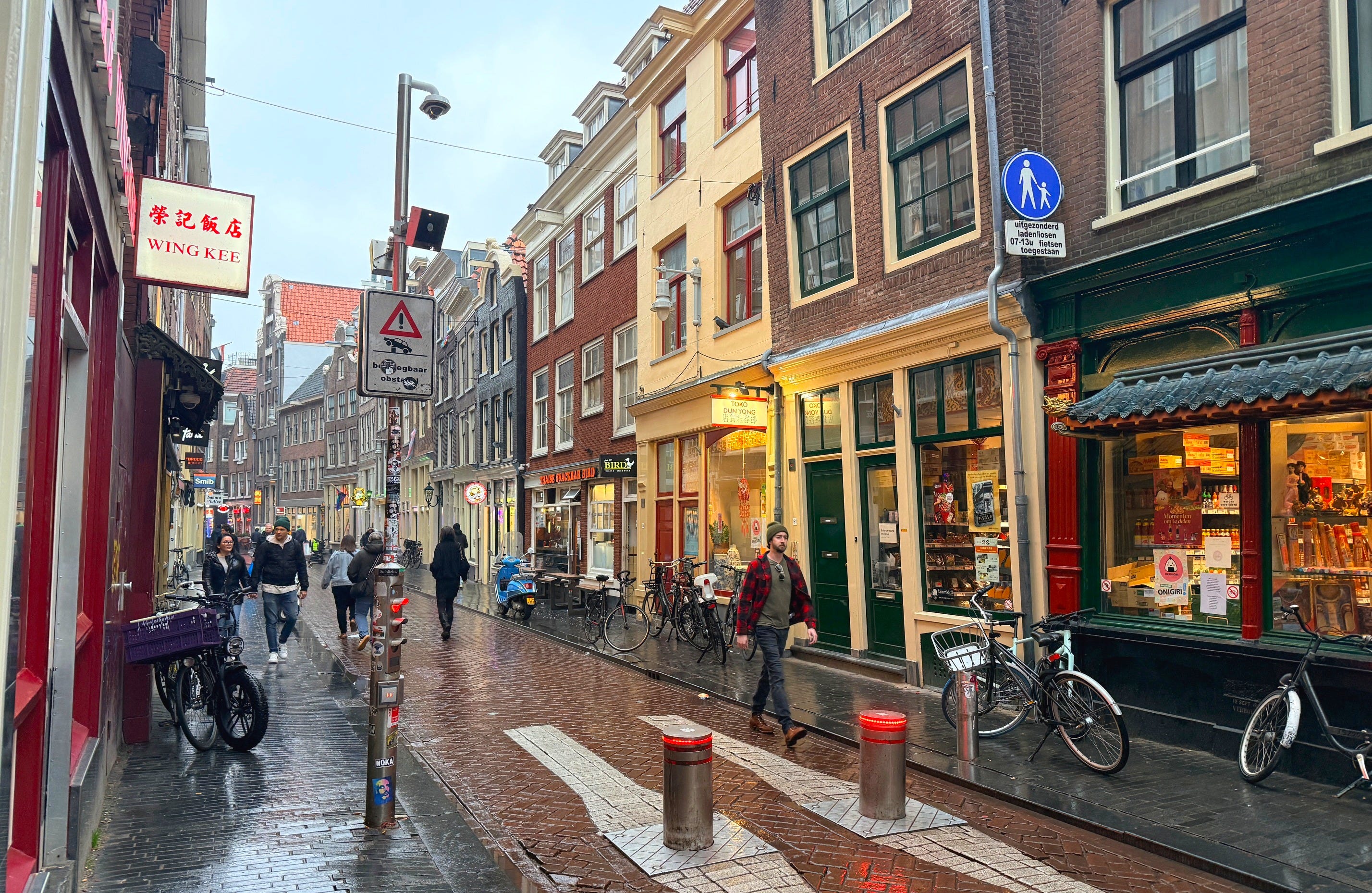
Coincidentally (if there is such a thing) last night I joined a former Chemonics colleague at the Mezrab, a storytelling venue along the IJ river to the east of the city center. It’s a bit of a walk from the station, along the boardwalks and beside the stunning concert hall Het Muziekgebouw. (Yes, the name of the river is written as two capital letters, IJ, and pronounced “eye.”)
Sahand Sahebdivani, the founder of the Mezrab, was the emcee, introducing six captivating storytellers as he unwound his own personal stories throughout the night. He was born in Persia—in Iran—he tells us right away, but considers himself Dutch as his parents moved to Amsterdam when he was four. The story was that the family intended to fly to Canada but missed their connection from Schiphol and decided to stay.
For the creative audience of Amsterdam, it was a blessing, as the Mezrab has been home to storytellers, musicians, and a storytelling school for 20 years. And for Sahand, as he told us, it is his life, growing organically from his family’s storytelling traditions; his 80-year-old father still makes the soup they serve. His parents are here in Amsterdam, but his uncles and many other family members still live in Iran.
And now, 12 hours later, they are listening to American bombs shatter their Ramadan. Maybe running from them.
Sahand married a woman from Palestine and they had two children, now four years old and full of wonder and pithy observations. He said that their household speaks four languages, but not one that they all understand: English, Dutch, Arabic, and Persian.
The storytellers all spoke English but their native languages were diverse: Spanish, Russian, Ukrainian, Dutch. Maybe more? The audience members (because Sahand asked) were from places like Bangladesh, Cameroon, Ireland, and Georgia. The hot, packed hall was kind and friendly, with a bar in the back, the stage in front, and us all squished together on assorted chairs or cushions.
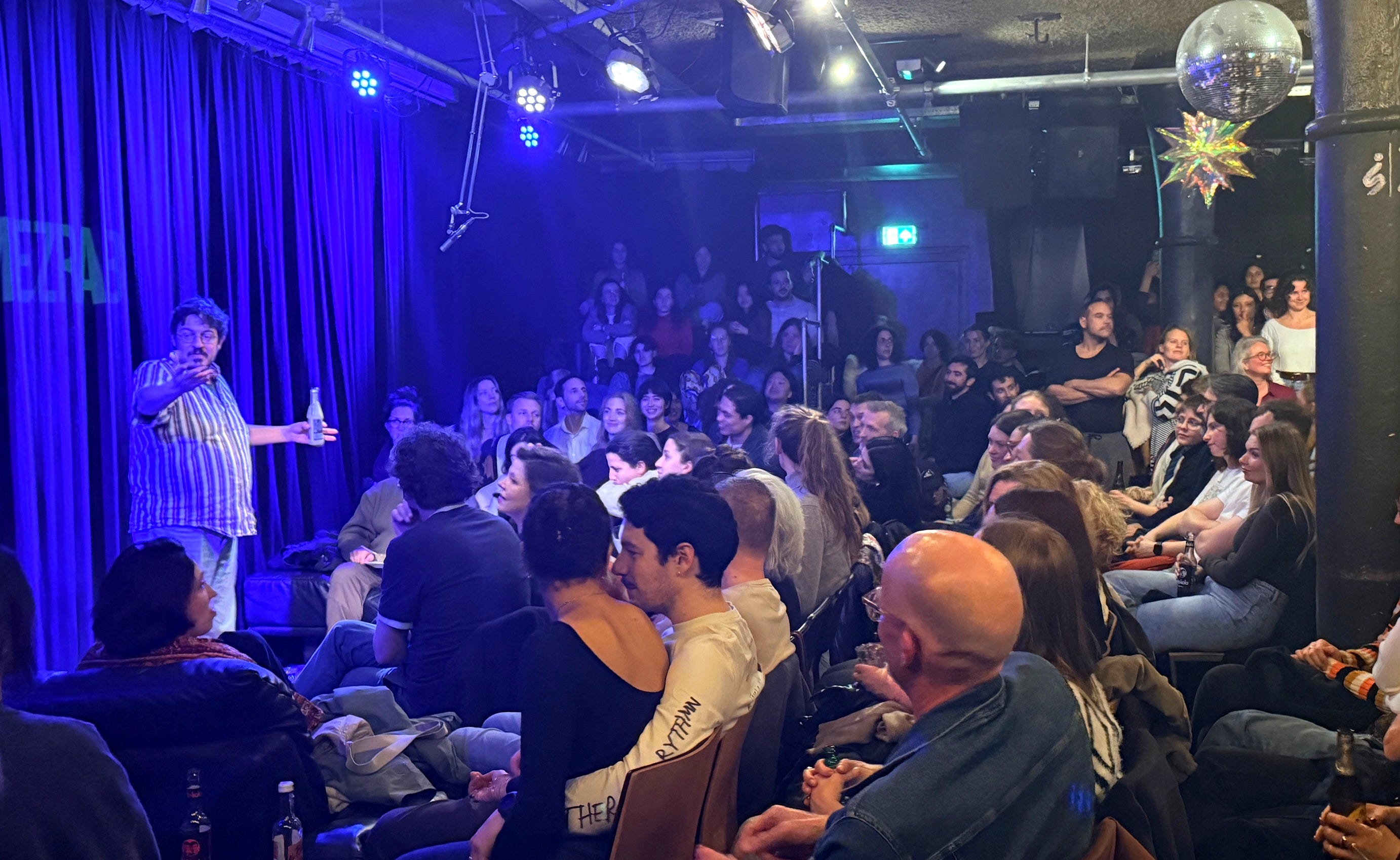
This is who we are now. This is the world I want to live in. Where our geography is secondary to our shared experience as humans. The stories about dying grandmothers, Greek goddesses, and a fear of heights were OUR stories, too. Where we come together to enjoy entertainment as old as human history, eat soup and drink beer, find connection, and then emerge to walk home along a dark, silent river to the bustling station and a train ride home.
I’m so sorry, Iran. And Sahand’s family. And the world. And even Mars, I’m sorry. Being the universe’s bully won’t end well for us. But keep telling stories. At least we have stories.
Books are our companions – breathing, living, always in motion. And plants, too. They are more sentient than we recognise. And so are stories, in truth. They are sentient life forms, connecting us beyond all borders of time, geography and identity. Home, not only for me but for all humanity, is Storyland.—Elif Shafak
“This is the world I want to live in. Where our geography is secondary to our shared experience as humans.”
💯 me too.