
The Oosterscheldekering
and other Dutch marvels

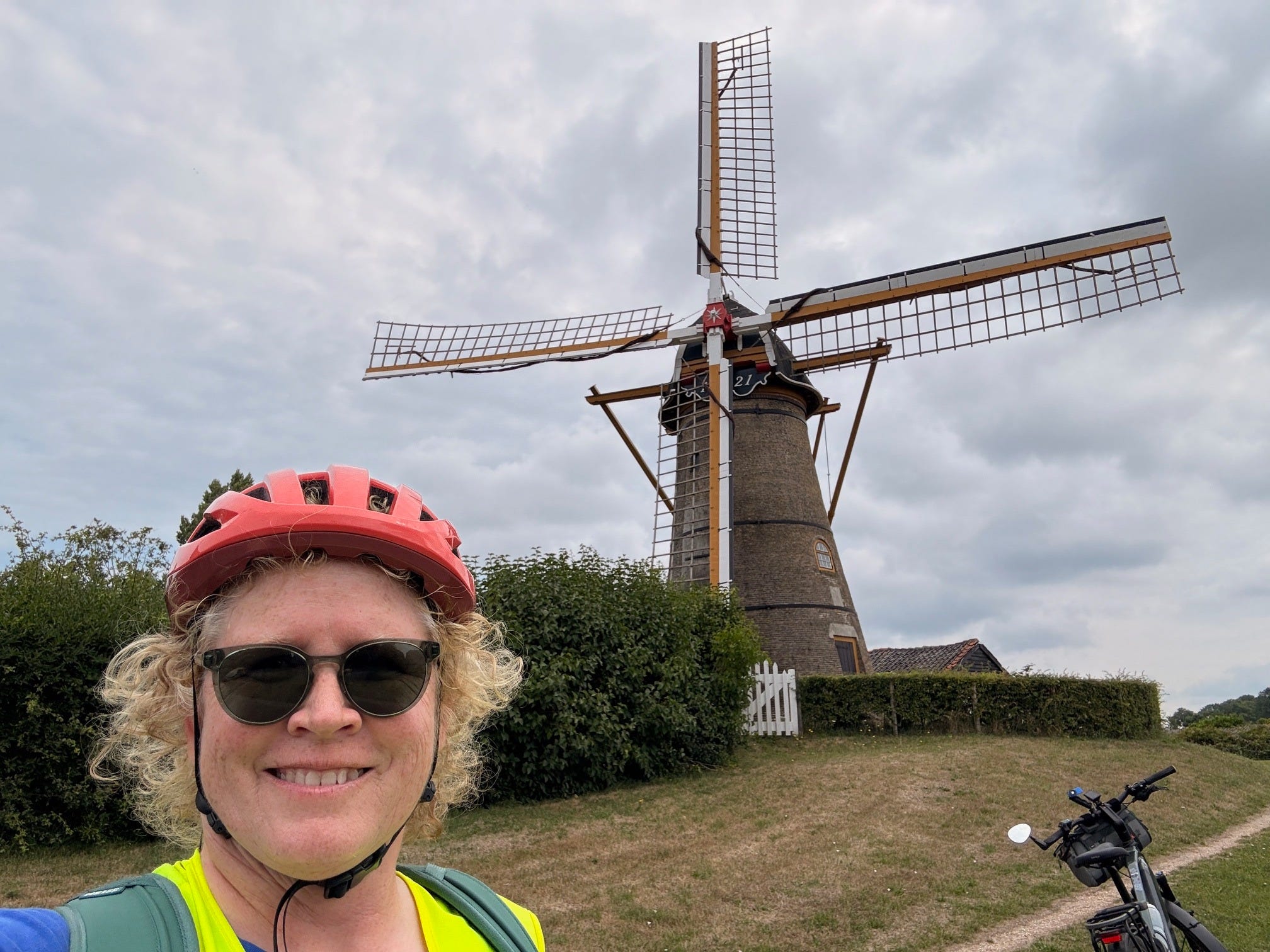
I have a plan. Starting tomorrow, I’m cycling east along the Maas River on the Maasroute, one of the long-distance cycle routes in Holland. These routes are mapped by the Cycling Platform, a collaborative effort of cycling organizations and governments that supports safe cycling throughout the country.
It’s clearly a massive undertaking—nearly every intersection has some sort of sign, whether it’s a local numbered route or one of the long-distance named routes. Looking for YOUR route sign can be a challenge, so it’s helpful to have a GPS with directions—also supplied on the website.
On my third day along the Maas, I turn north on the Pieterpad cycle route, which runs alongside the famous Pieterpad walking trail, the longest in Holland. That will take me to Groningen after about six days, where I’ll stay with my new friend Gera, and then continue north.
In my desperation to find lodging, I stumbled across this site, which features services with the Fietsers Welkom! (Cyclists Welcome!) logo. Hotels have places to store, charge, and repair bikes, and campgrounds won’t turn away cyclists with tents. I have found that the “minicamping” places are more likely to have a field for tents and accept anyone who asks for a spot. I’m beginning to get the hang of it, but many of the Vrienden op de Fiets homes are full so I’m sending a lot of emails to get one reservation. Still, I persevere.
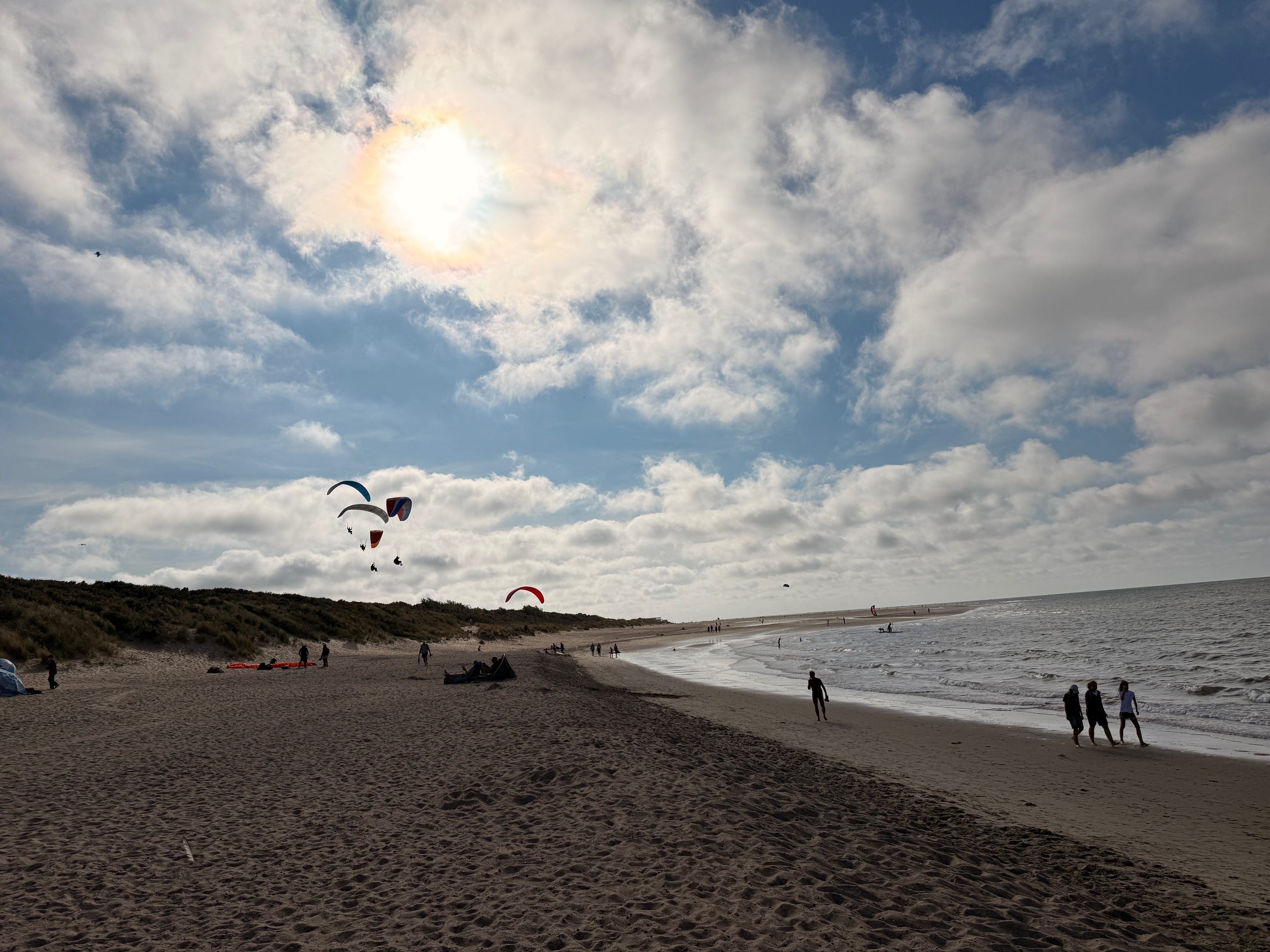
I have the next few days reserved and will continue to make plans as I go. I have enjoyed what I’ve seen of the Kustroute (coast route) but I thought I’d come inland a bit to see more trees and less tourism. It’s amazing to see the areas near the beaches lined with RVs camped along the roadside or in parking areas near the massive dijks.
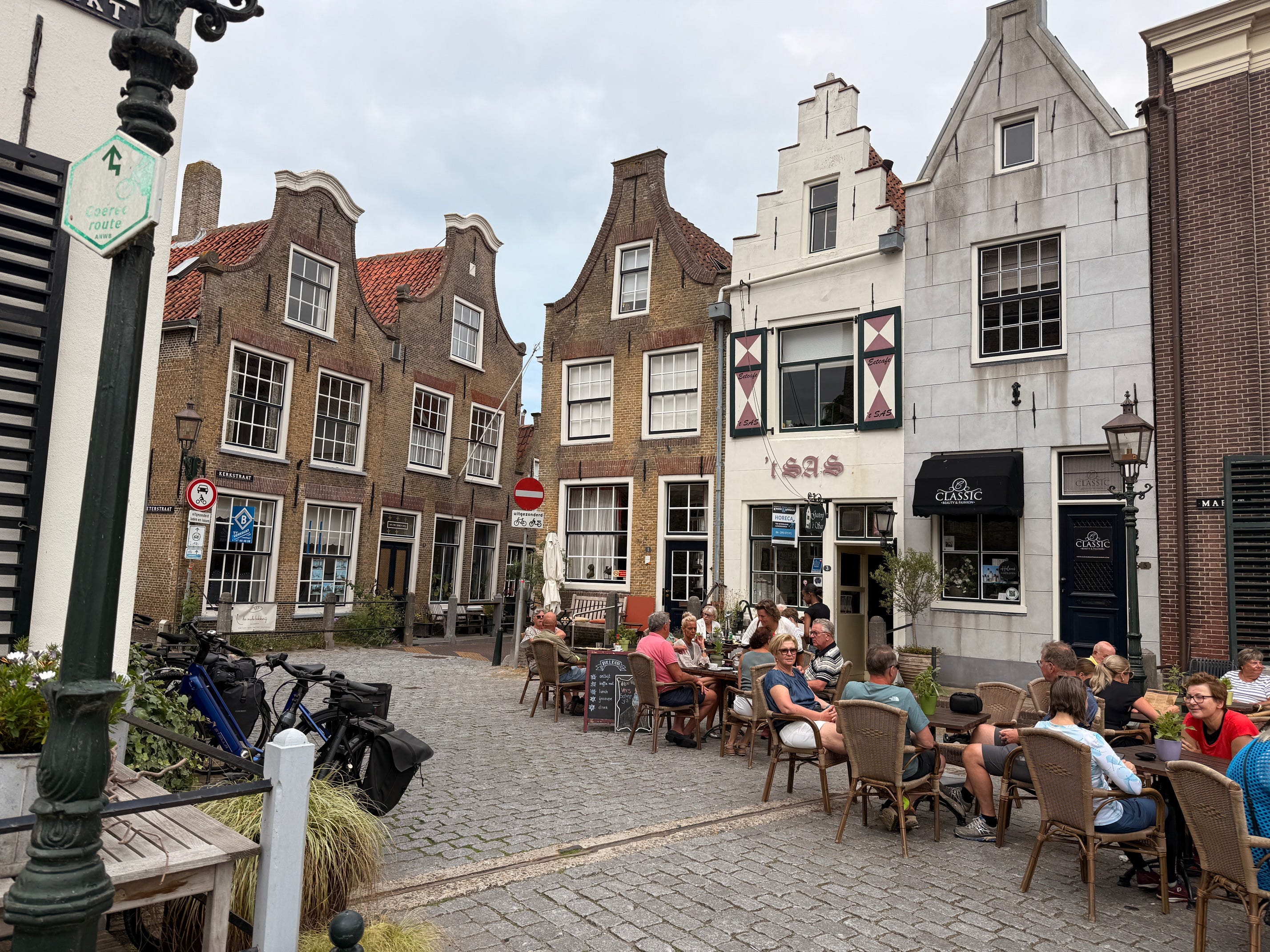
It really is wonderful cycling in Holland. The bike paths are wide and well marked, and if we’re sharing with cars, there is always a clear shoulder. Cars slow down for me at intersections, and I feel seen. I was thinking that the drivers must be more accustomed to looking for cyclists, but maybe the real reason for their respect is that they ARE cyclists. Everyone has a bike, and there are bike ferries, bike tunnels, bike traffic lights, and bike parking (double-decker even).
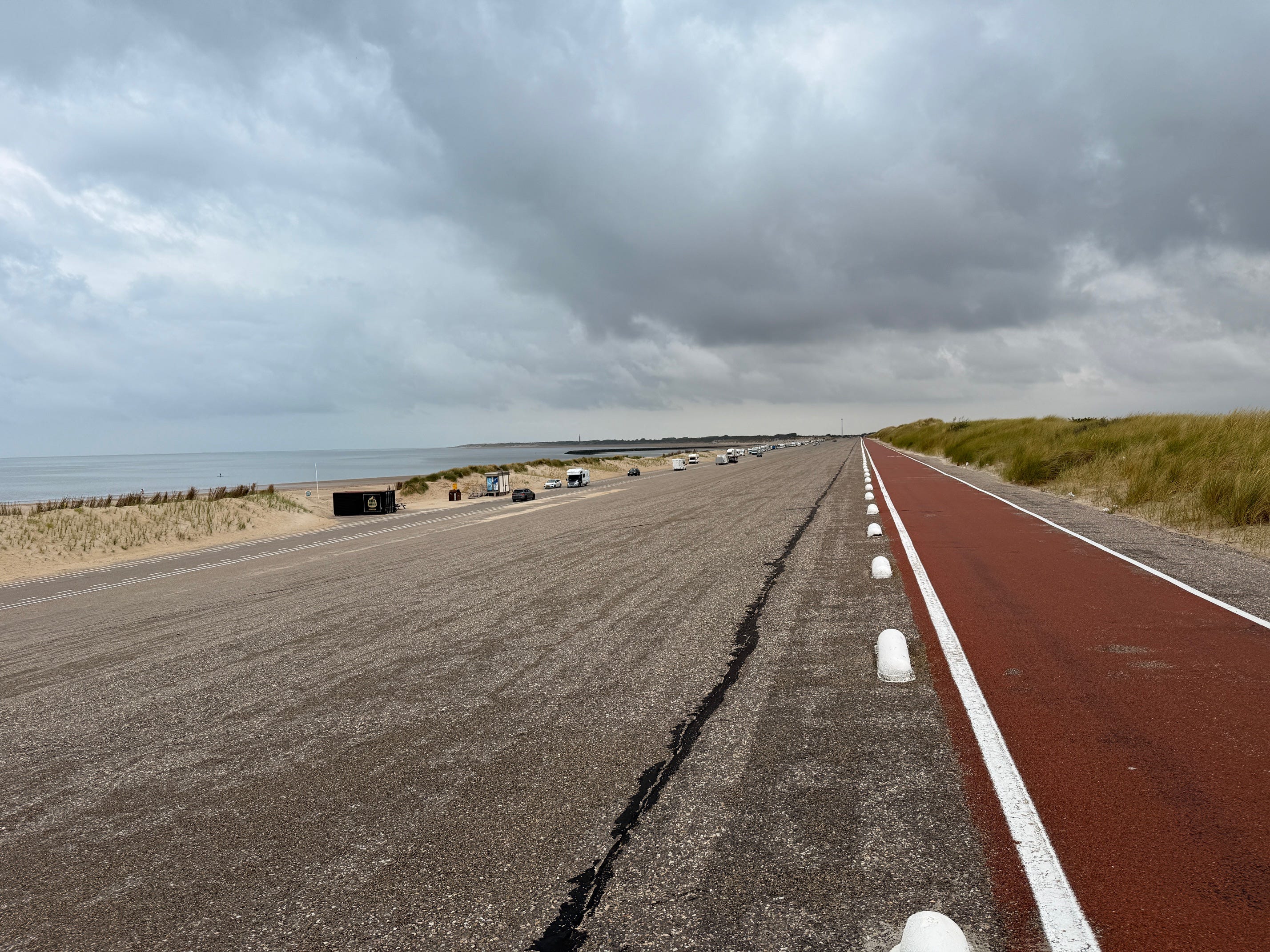
There are even bike lanes across the dijkes. The other day I rode across the massive Oosterscheldekering (Eastern Scheldt storm surge barrier). It stretches for nine kilometers and it’s the largest of the Delta Works, a series of dams and storm surge barriers. After the 1953 North Sea flood that killed over 1,800 people, they constructed an island and a series of concrete pillars and sluices. It’s been declared one of the modern Seven Wonders of the World by the American Society of Civil Engineers. (Thanks to Wikipedia for all this info.
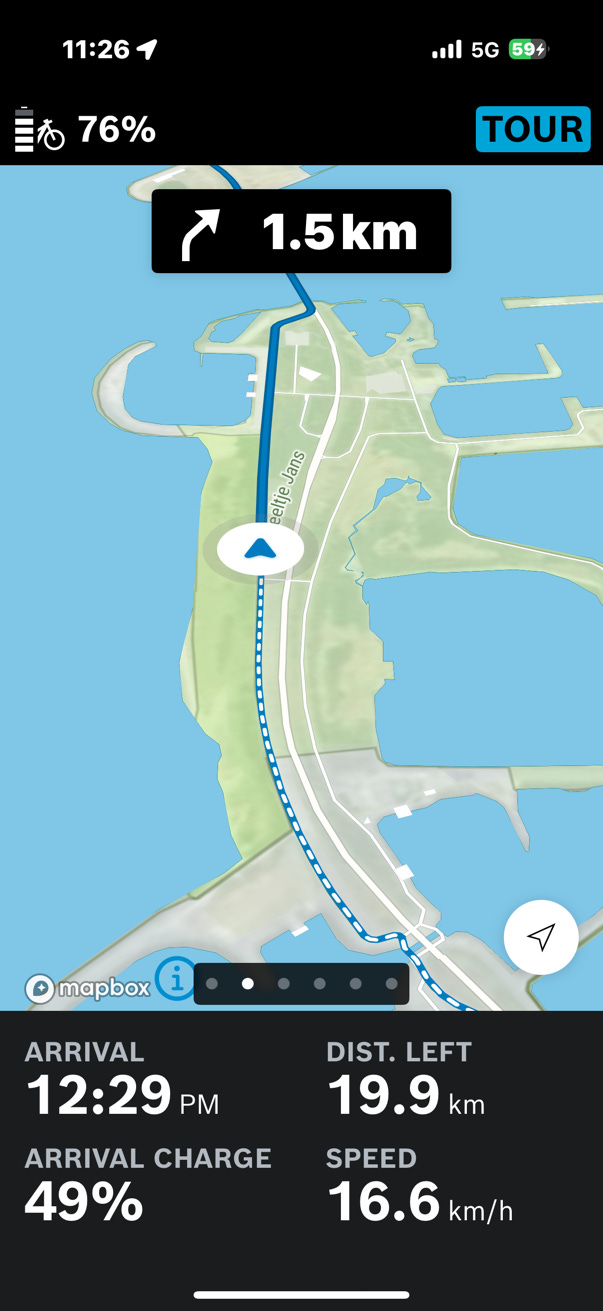
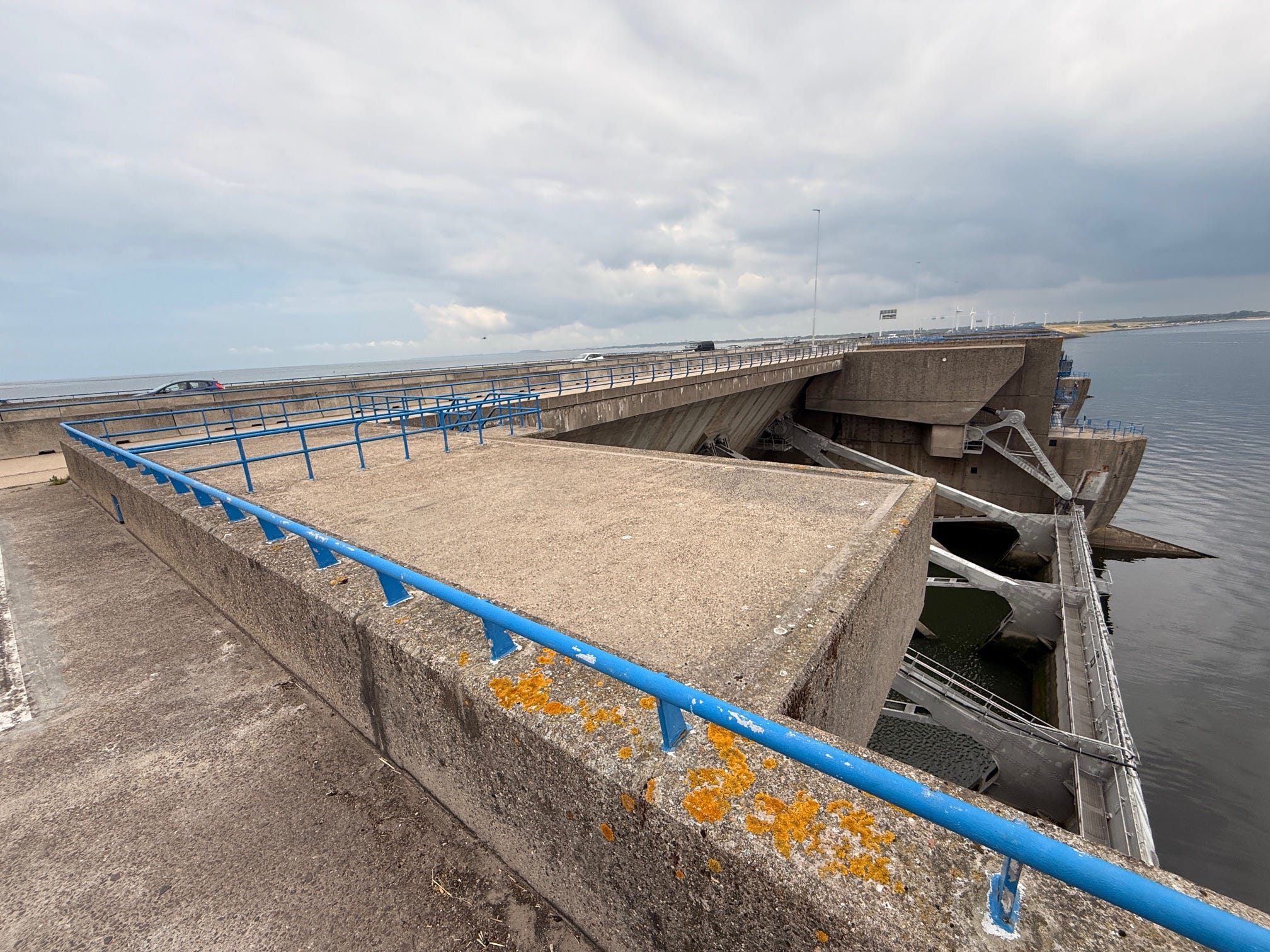
I could see that I was going to cross some sort of artificial barrier on the map, but I could not have imagined the scale of this dam. Texas, pay attention! It’s been closed 28 times due to storm threats—think of all the lives saved, all the property protected, farmlands preserved. It just baffles my mind that we have this stunning display of engineering and human ingenuity here while communities in Texas can’t manage a flood warning siren.
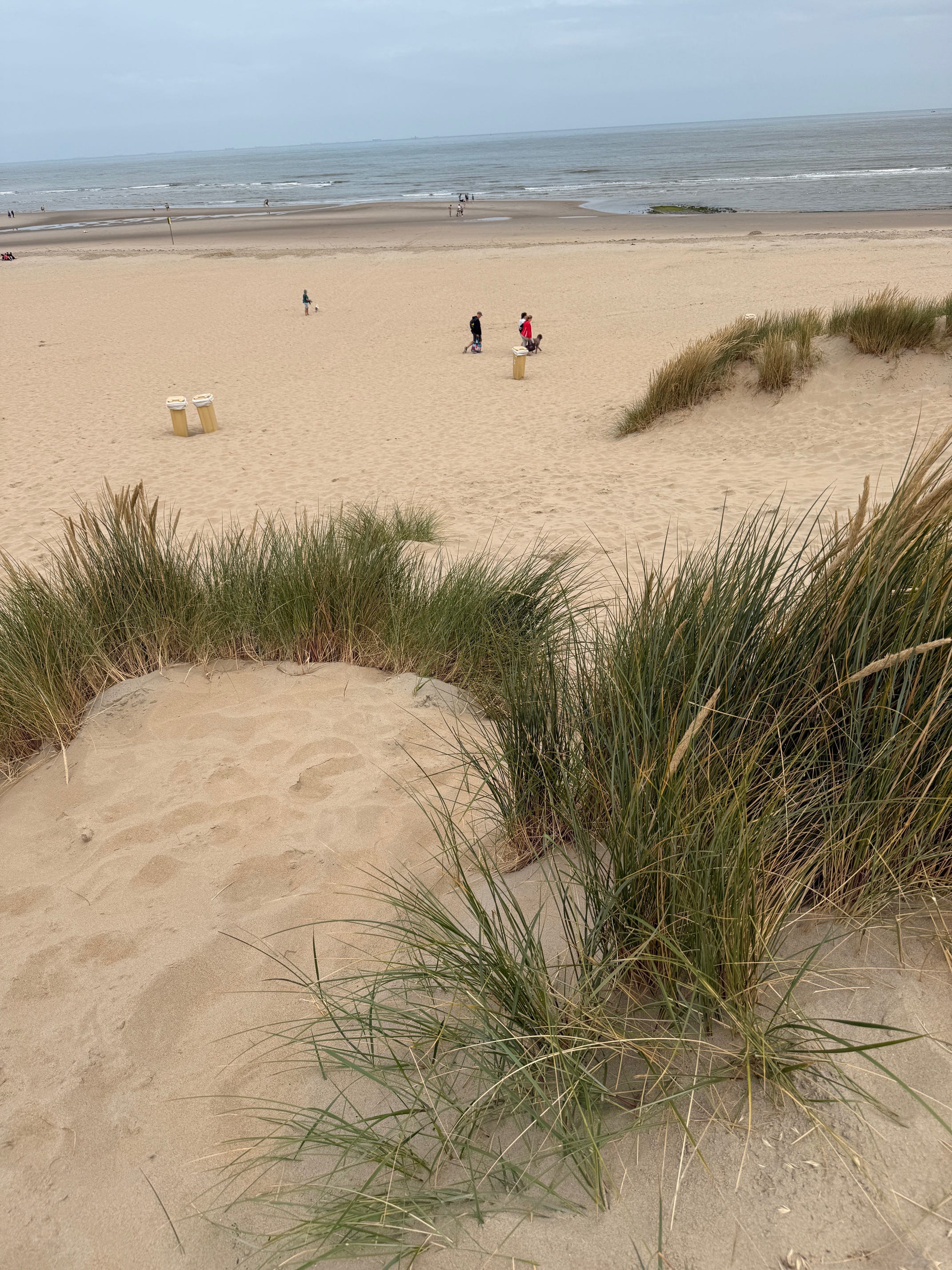
The coast is really lovely here, with white sands and clean water. I’ll be back along the coast when I get up north so I have lots ahead of me. And now that I’m getting better at finding lodging, I’m excited for what’s ahead!
The Netherlands is the absolute best for biking! Yes, people driving cars are keenly aware because they do cycle and the generally speaking, bicyclist have right of way. How far East will you be riding? Let us know, and maybe we can help arrange places for you to stay. Evelien is from Holland! ❤️
Wunder!